
Economic Revitalization Through Cultural Heritage: The Dragon Boat Festival Phenomenon
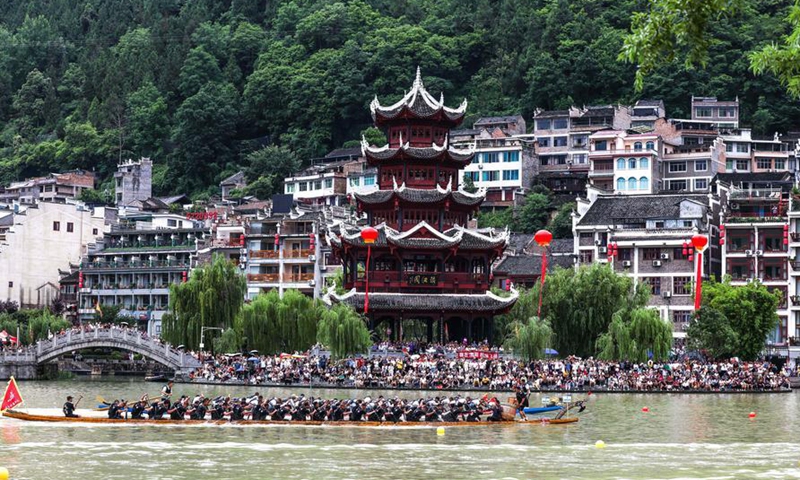
The resurgence of traditional festivals like the Dragon Boat Festival is proving to be far more than a sentimental nod to history; it is a potent engine for domestic economic growth. As observed in recent reporting by People's Daily, the intersection of cultural heritage and tourism is creating a sustainable ripple effect, injecting vitality into local markets that extends well beyond the three-day holiday window. By examining the data—such as Tongren City’s impressive 384 million yuan (approximately 56.4 million USD) in tourism revenue from last year’s events—we can see that these "centuries-old" traditions have evolved into modern, high-yield commercial platforms.
From an operational standpoint, the shift toward rural tourism is particularly noteworthy. Tourists are increasingly bypassing traditional city-center hubs in favor of authentic, immersive experiences in smaller counties and villages. For instance, homestay operators in areas like Banliyuan Village are hitting capacity, with reservation rates reaching 80% to 90% well ahead of the holiday. This decentralization of tourist traffic is a critical development for local regional management; it effectively spreads the economic benefit—the "multiplier effect"—to smaller communities that have historically been left out of the primary tourism loop. When a local industrial park in Fenyi County can generate nearly 400,000 yuan in revenue while attracting 57,000 visitors in just a few days, it highlights the immense potential for blending industrial heritage with festive tourism.
The market for cultural products is also seeing a sophisticated transformation. We are moving away from mass-produced trinkets toward higher-value, artisan-led specialty items. The success of sachet workshops in Qingyang, which are currently recording daily sales of approximately 200,000 yuan, suggests that consumers are willing to pay a premium for products that successfully bridge the gap between traditional craftsmanship and contemporary aesthetics. Whether it is a 10-yuan entry-level sachet or a high-end designer piece costing several hundred yuan, the ability of vendors to cater to both traditionalists and younger, trend-conscious buyers is driving a healthy increase in retail volume. Even simpler traditions, like the sale of mugwort bouquets in Lanzhou, illustrate this: by professionalizing the presentation of these bundles, local vendors have successfully turned a seasonal commodity into a high-demand retail item with daily sales volume exceeding 70 units per shop.
Ultimately, the success of this year's festival underscores a broader trend in China’s domestic market: the "experience economy." Travelers are no longer satisfied with passive sightseeing; they are seeking active, participatory roles in cultural events, whether it's through witnessing dragon boat races or engaging in local craft workshops. From a macroeconomic perspective, this is a highly efficient way to manage growth. By leveraging pre-existing social capital—community bonds, historical legends, and ancestral customs—local governments and private enterprises are creating value with relatively low structural overhead. As this trend continues, we should expect to see these cultural festivals become an increasingly standard component of regional development strategies, offering a robust, low-risk solution for boosting consumption and maintaining sustainable long-term growth in the tourism and services sectors.
News source: https://peoplesdaily.pdnews.cn/china/er/30052444447
Ready to talk strategy with a senior partner?
Discreet, no-obligation discovery call. We listen first.